Welcome to Eastbourne Beekeepers' Association
Join our friendly local Association and get involved in our beekeeping community.
About us
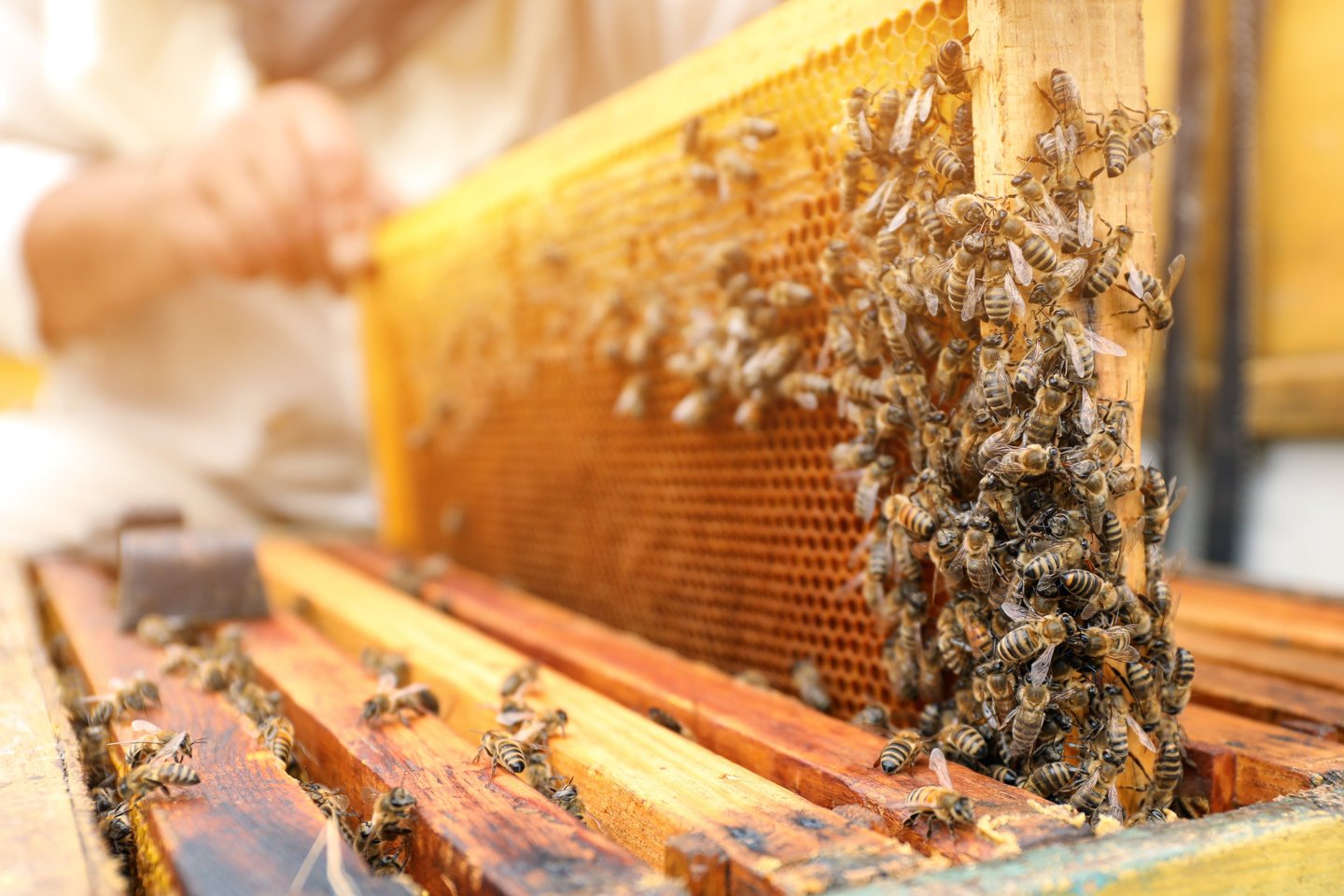
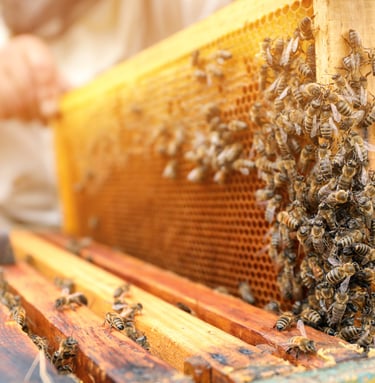
Established in 1919 we include the areas bounded by Eastbourne, Bexhill, Heathfield and Uckfield. We have around 130 members and are a ‘mixed bag’ of beekeepers with varying experience. Some of our members have no bees, just an interest, while others may have thirty or more hives. Whatever level of interest or experience you have and whatever age, you are very welcome to join us.
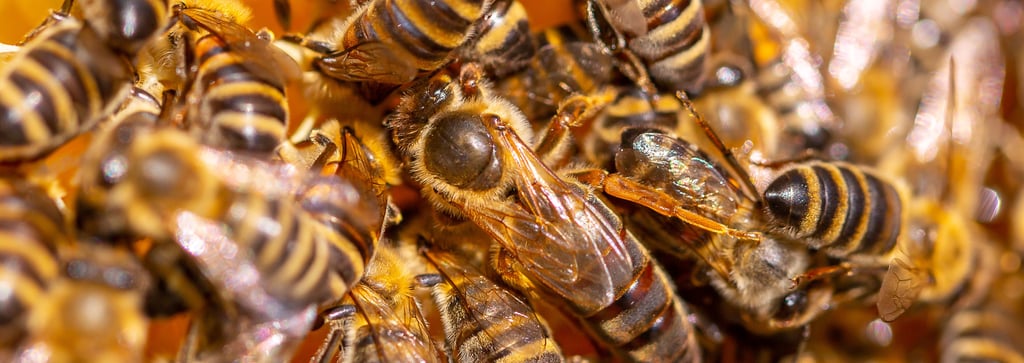
During the summer we run a number of events and workshops as well as our famous Summer Socials which are always held at our favourite Sussex pubs!
The Association continues to meet throughout the winter, when the bees are inactive, with a series of informative talks and workshops on the many aspects of beekeeping; from colony management to disease recognition.
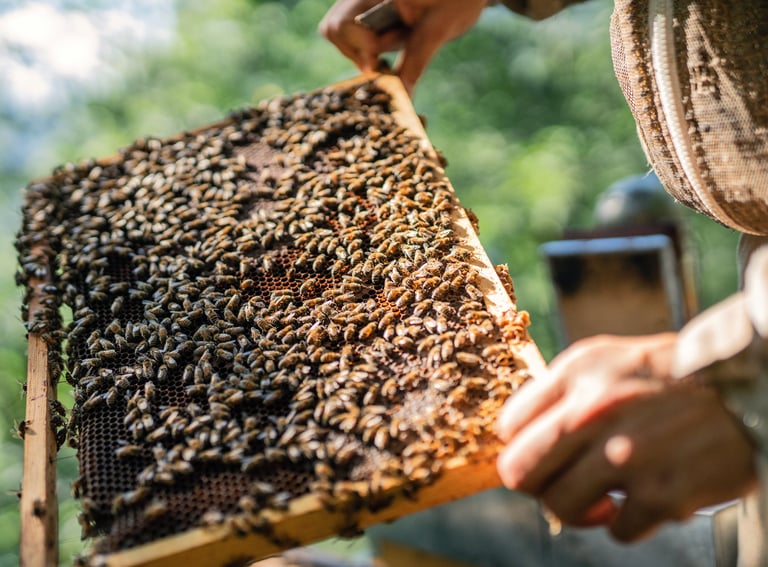
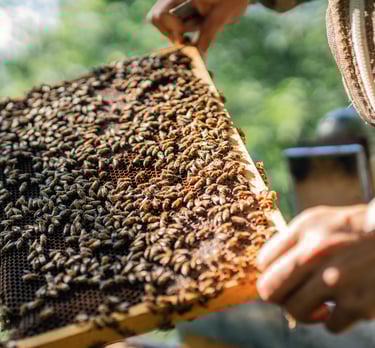
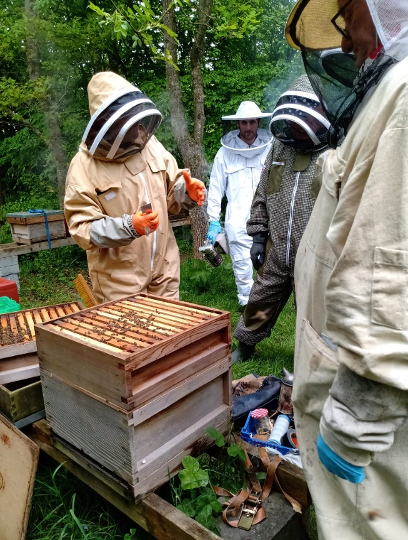
We have our own Teaching Apiary and a Queen Rearing Apiary located in the picturesque Sussex countryside where we regularly meet for practical demonstrations and to swap bee stories with fellow members.
We hold our Annual General Meeting in November alongside our Honey Show, when members are encouraged to enter a pot of honey or other hive products, such as wax or mead.
As a local Division of the British Beekeepers Association we are passionate in our aim to advance the education of the public and beekeepers in the craft of beekeeping and promote the importance of bees in the environment. To this end our members are often giving talks to local groups, attending local markets and fairs and increasing public awareness of current threats to bees and pollinators, such as the recent incursion of the non-native species, the Asian hornet.
Promoting beekeeping in Eastbourne
Join us
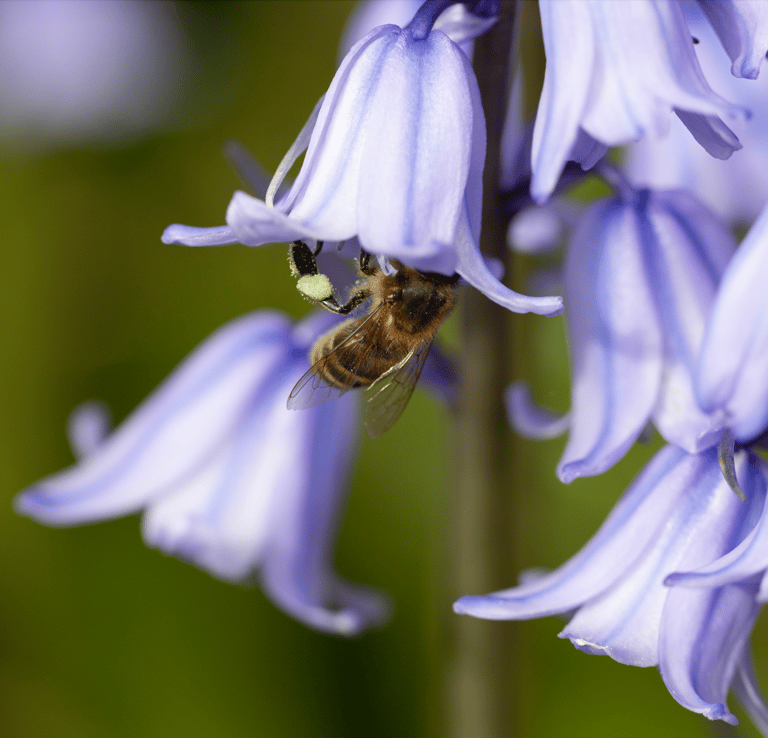
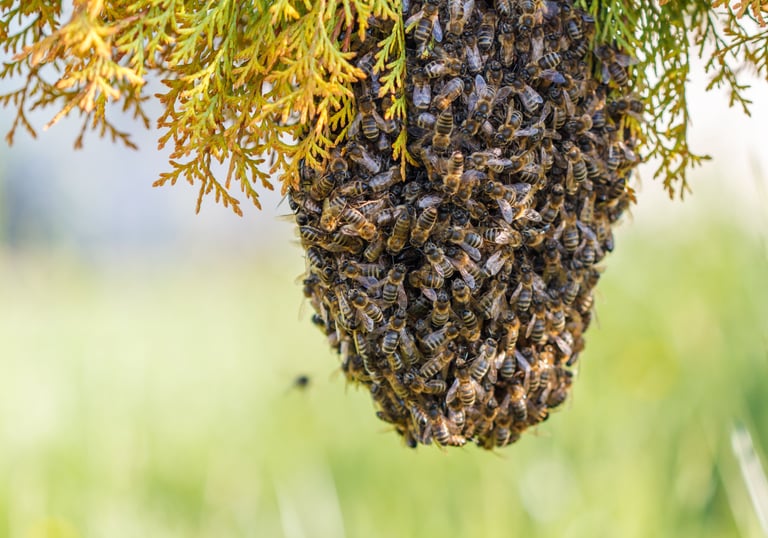
Request a swarm collection
Learn or improve your beekeeping skills
Join us for fun meetings & workshops
Contact us
Please do get in touch
chaireastbournebka@gmail.com
+44 7971 068 625